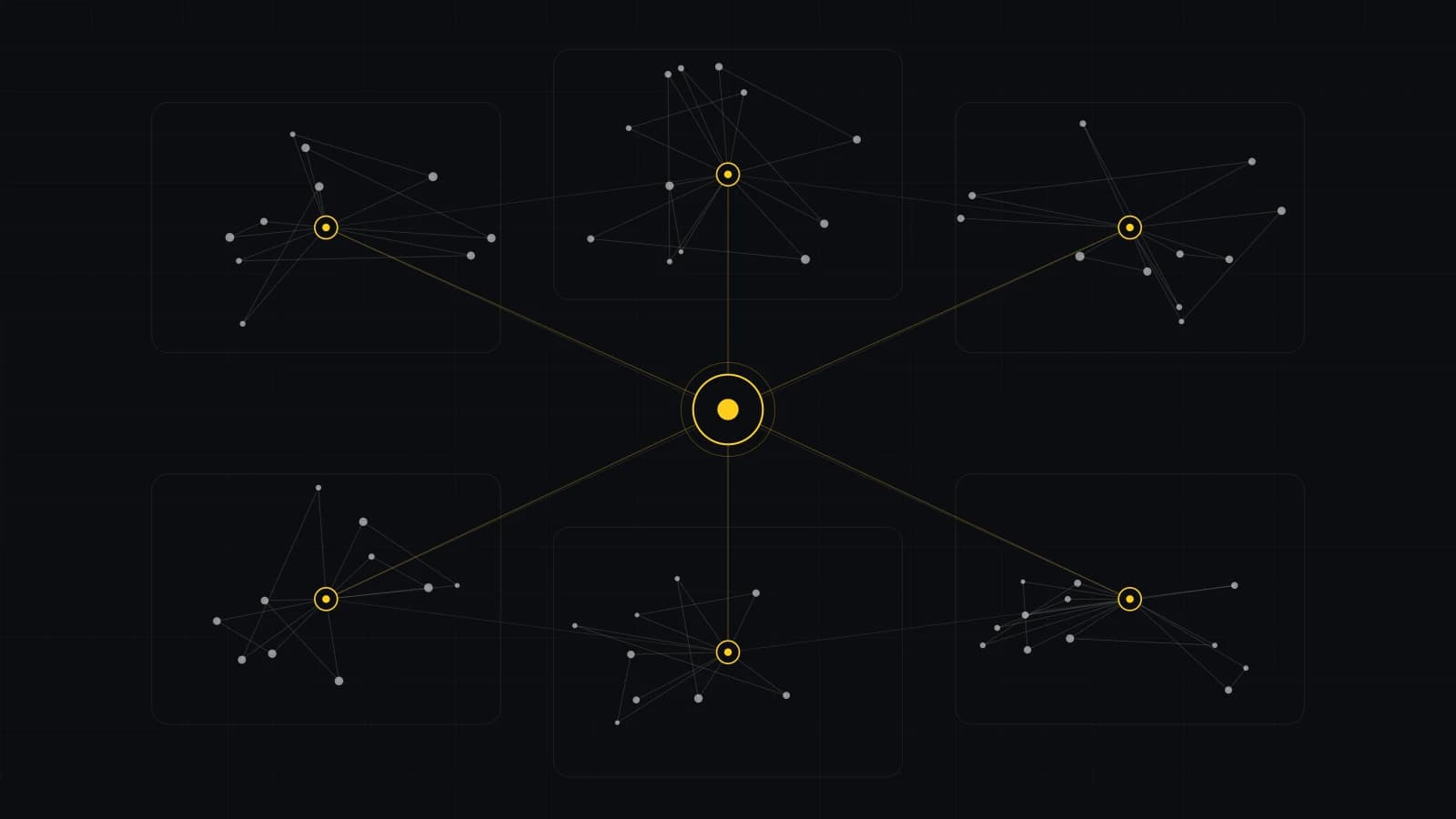
Brain V2
Active DevelopmentThe knowledge and engineering base behind ZOYA OS: a structured note vault, a private dashboard, reviewed AI skills and security rules in one repository. In active development.

Case study
Product vision and development · 2026
A personal AI operating system built for one owner: it remembers approved context, answers from my own notes with sources, and acts only with permission. A product vision in active development.
ZOYA OS
ZOYA OS is my personal AI operating system, in the spirit of a JARVIS-style assistant. The aim is an assistant I own and control, one that connects my knowledge, projects, tasks and tools instead of starting every conversation from zero. It is not the chatbot on this site, which is a separate, simple project named Zoya. ZOYA OS is private, in active development, and only part of the plan works today.
Technologies, platforms, and tools used to design, develop, and deliver this project.








 Optional




Most AI assistants are a chat window. They forget what you told them last week, they cannot show where an answer came from, and the moment they are given tools, it is unclear what they are allowed to touch. ZOYA OS starts from those three gaps. It is also not the Zoya chatbot on this site: that one is a small, rule-based guide to my portfolio, and this is a separate, private system.
ZOYA has five layers. Open a layer to see what it holds and where it stands today. The notes say whether a part works on my machine, is planned, or is waiting on something else.
The order matters more than the speed. Trust comes first, then reading, then memory, then voice, then any action in the outside world.
Private dashboard, answers grounded in my notes, approved memory and three skills, all working on my own machine.
Set up the hosted database, choose a model provider I am willing to send private notes to, and deploy only after the security checklist passes.
Build and measure a worker that listens and speaks. Voice counts as done only after a real spoken question gets a spoken answer in a measured time.
Task automation, links to approved apps, proactive help, access from more than one device, and specialist workflows that always ask a human first. None of these is built.
The order is a plan. Dates are not promised, and the plan changes when something fails a security check.
Where it stands today, from the project's own status tables. Working means it runs and passes its tests on my machine, not in public.
12
Skills planned
3
Working locally
9
Waiting on connections
Not yet
Voice round trip
Dashboard, grounded answers with citations, approved memory, and the three skills.
Owner-only sign-in and reading approved notes from the private repository have been tested against real accounts, but only from my machine.
A hosted memory database, a production deployment, the speech worker and the nine outside-facing skills.
Nothing here is deployed. ZOYA OS has no public site, and its repository and dashboard are private.
Replies come from approved notes and carry the note and version they used. If the notes do not cover a question, ZOYA is meant to say so rather than fill the gap.
New memories start as proposals. Only the ones I approve, and that have not expired, can shape an answer. Working locally; a hosted database is still to come.
Twelve skills are planned. Three work today: search my notes, plan a task and manage approved memory. The other nine need safe connections first and are marked blocked, not done.
An owner-only view with a glowing 3D visual, charts, chat and skill panels. Its overview is built from a counts-only snapshot, so it shows totals and charts, not note text.
The browser side and short-lived access passes are in place. The speech engine that listens and talks back is not working yet, so voice is not claimed as a feature.
Reading repositories and tracking projects is a future skill. It is blocked until it can run in a safe, limited environment.
iPhone
Tablet
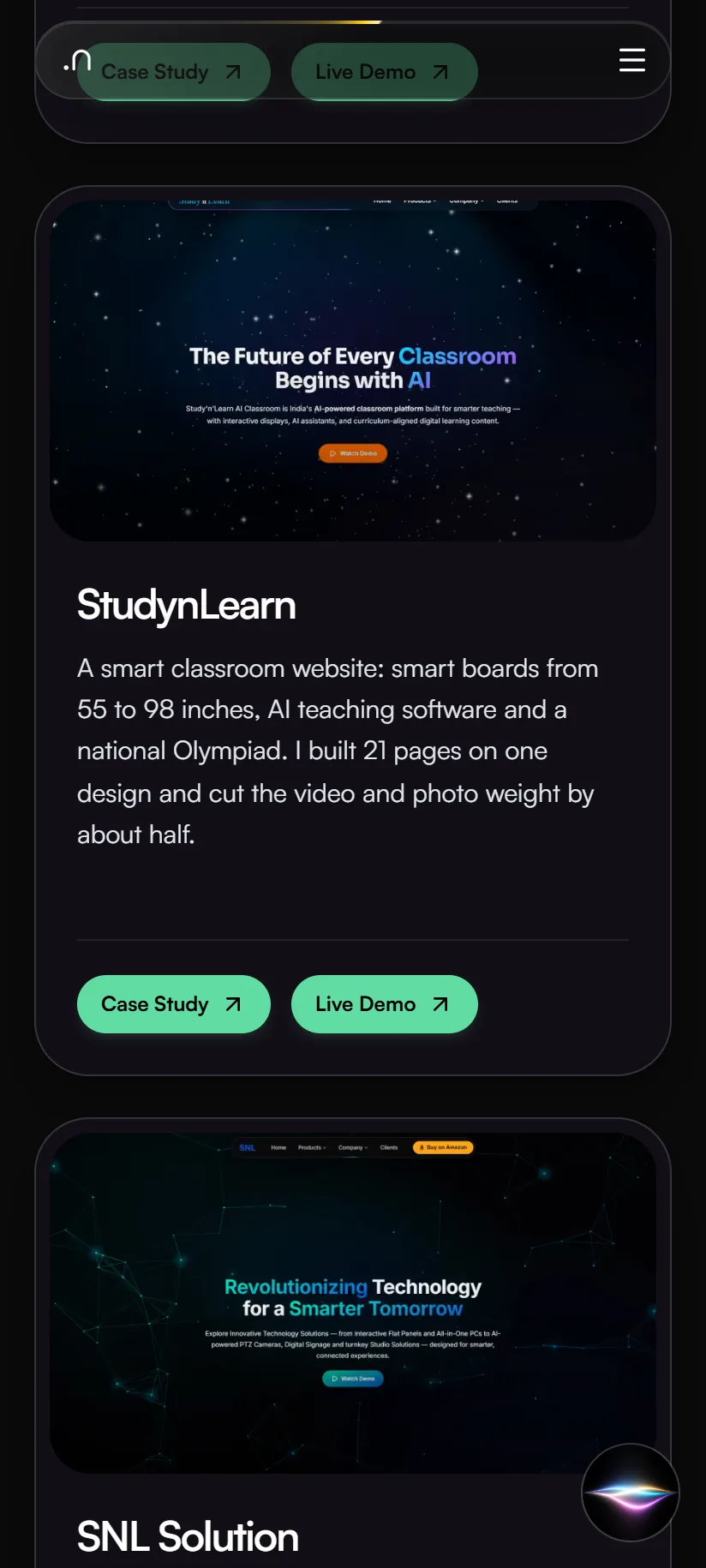
Android
The knowledge and engineering base behind ZOYA OS: a structured note vault, a private dashboard, reviewed AI skills and security rules in one repository. In active development.
A private voice assistant that answers questions from my own notes, out loud, and only from what is actually written there. It can also save new notes.
The chat assistant on this site. It answers questions about my projects, skills and experience using only what is on the site, and alerts me on Telegram when a visitor wants to talk.